


Tag Archives: Tarata
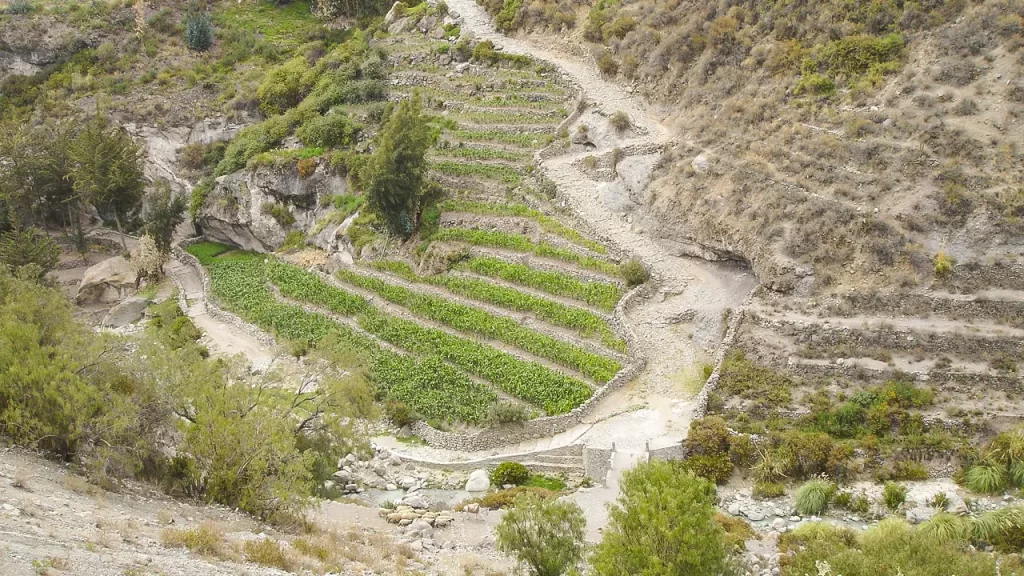

Tarata Pre-Hispanic Era
Pre-Hispanic Tarata was Incchenchura. Its legacy includes the Qhapaq Ñan, the agricultural terraces, and the Qala Qala burial caves.
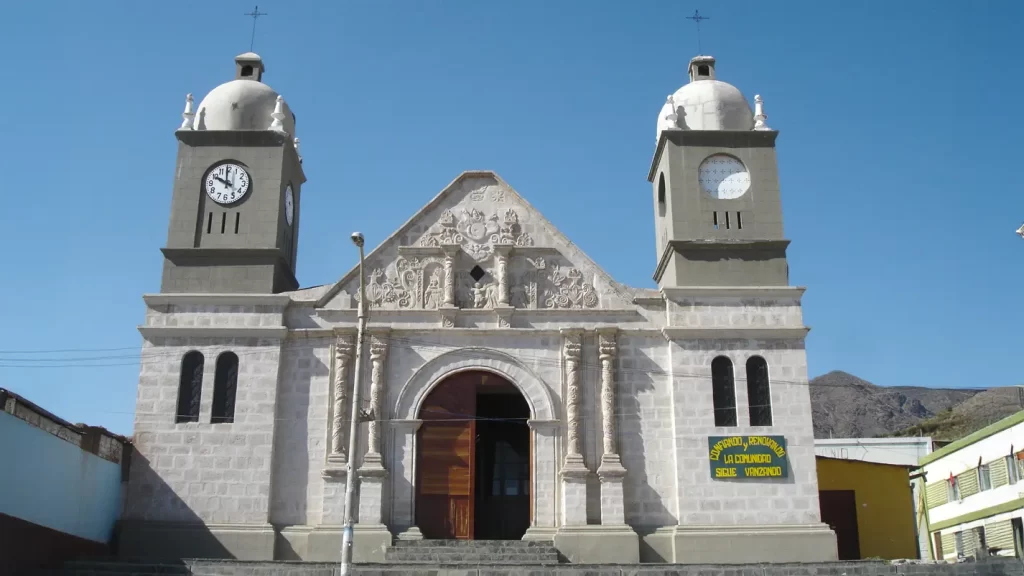
Tarata Colonial Era
Colonial Tarata was marked by the encomiendas, the power of the Ninaja chiefs, and the intense influence of the Church on social life.
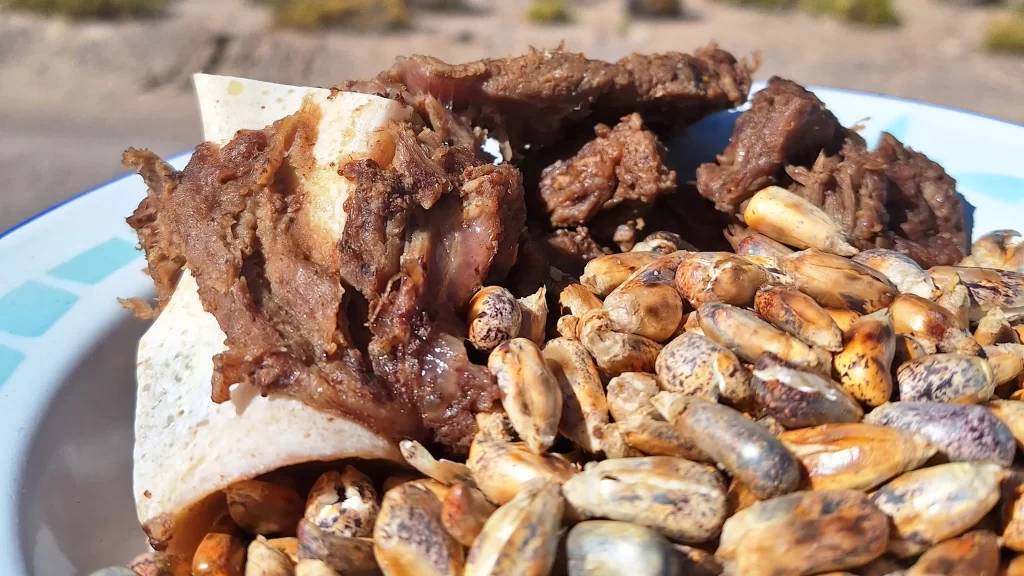
Typical Dishes
Tarata's cuisine is based on agriculture. Its star dishes are alpaca chicharrón, fried trout, and quinoa pesque.
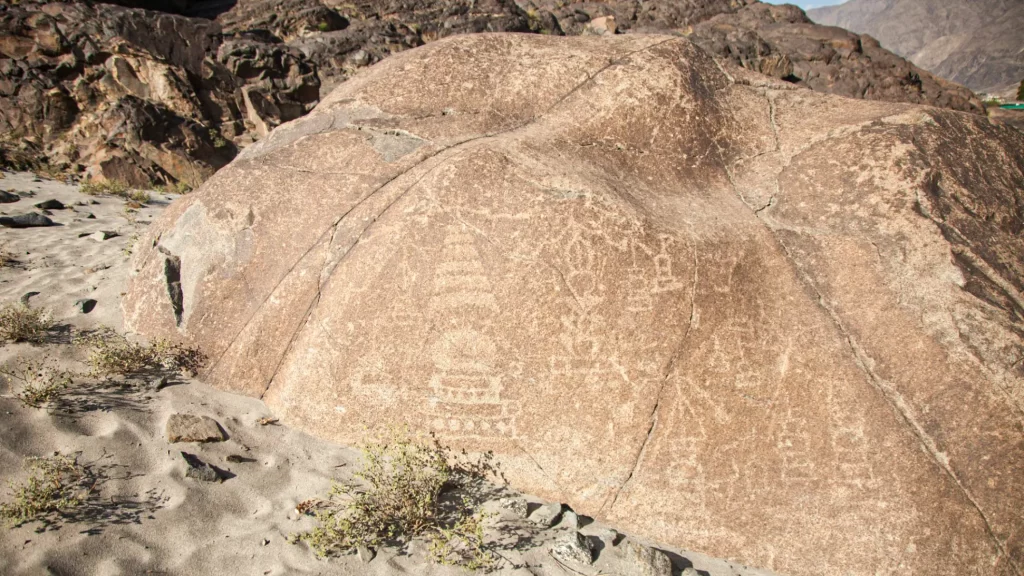
Anajiri Petroglyphs,
The Anajiri Petroglyphs are ancient rock art visible near the Tarata section of the Inca Trail (Qhapaq Ñan), Tacna.
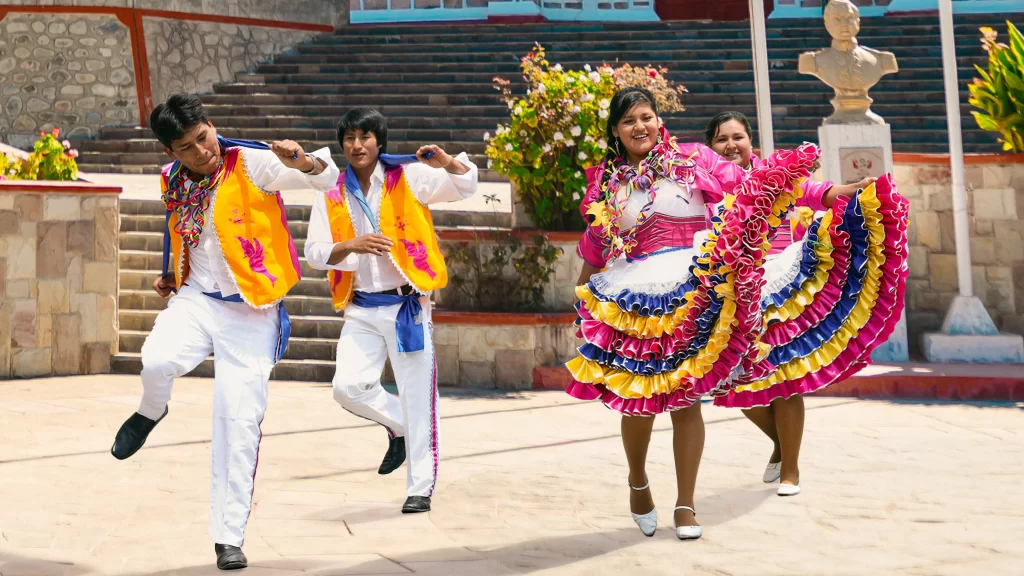
Tarata festivities
Carnival is Tarata's longest-running festival. Its dances (Llameritos) and traditional costumes (Anaco) reflect an Andean heritage.

Qhapaq Ñan Panel
The Qhapaq Ñan from Juli to Tarata connects the highlands with Tacna, revealing the biodiversity of Vilacota Maure and its temples.
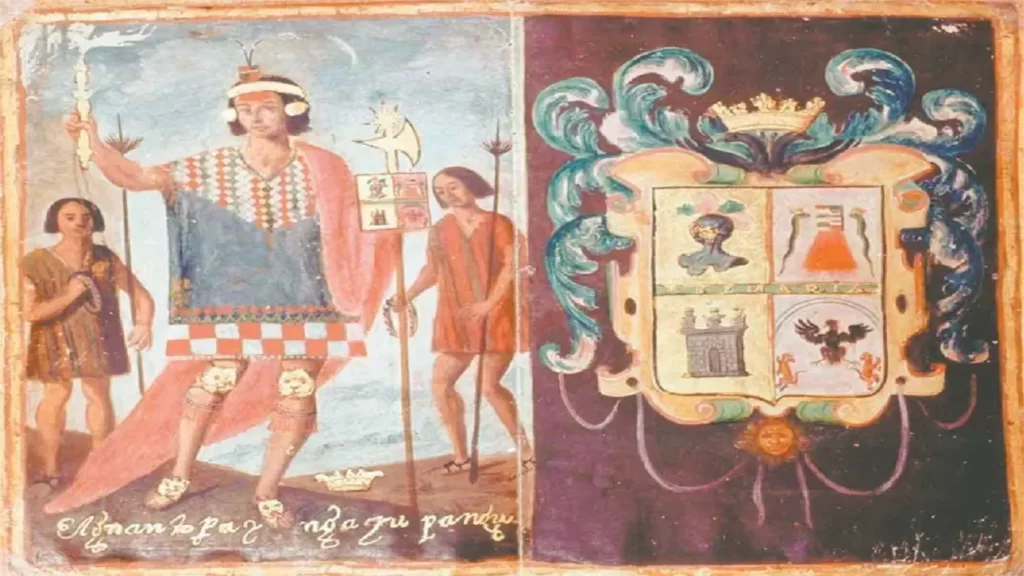
Chiefdoms in Tarata
The chiefdoms of Tarata, with pre-Hispanic origins, served as colonial intermediaries and connected the region with Pomata from 1568.
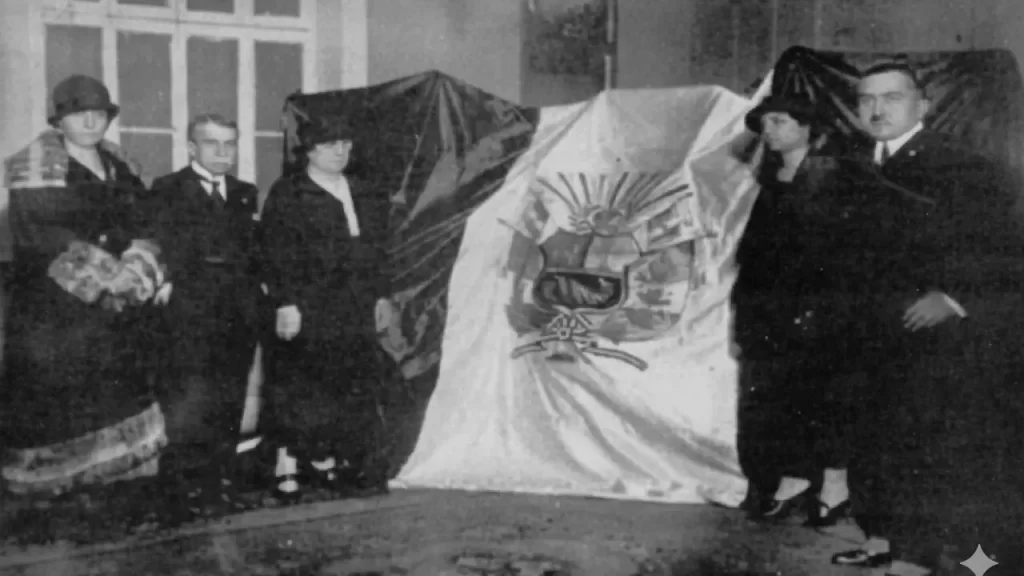
Reincorporation of Tarata
After 45 years of captivity, Tarata returned to the Peruvian flag on September 1, 1925, demonstrating unwavering patriotism.
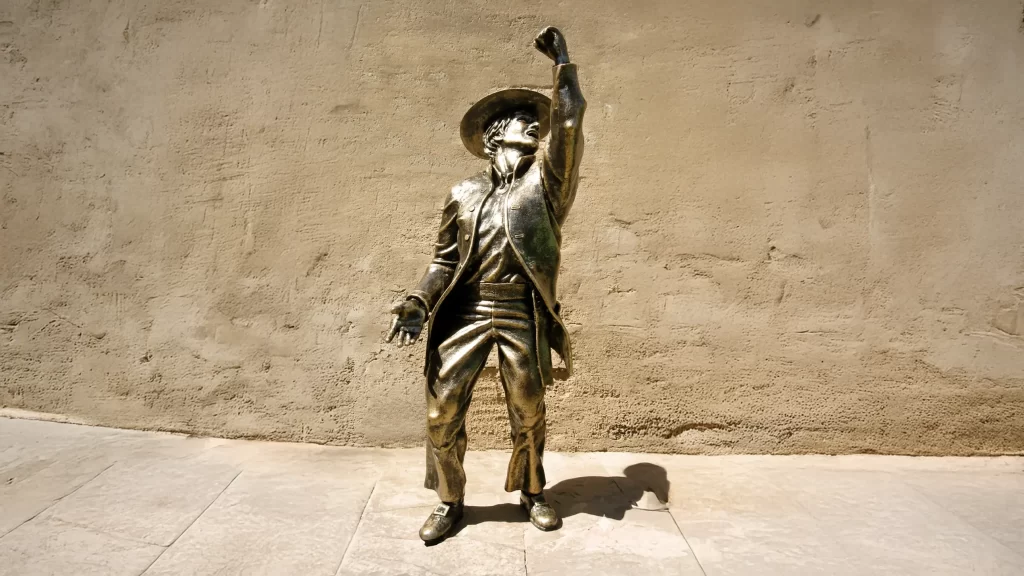
Heroes of Tarata
Discover the unwavering patriotism of Tarata: Colonel Albarracín, Manuel Franco and the heroes of the War of the Pacific.

Tarata in Inca Times
The history of Tarata was shaped by the Aymara people and Pachacuti. Discover the Qhapaq Ñan, the terracing, and the Inca imperial legacy.