


Tarata
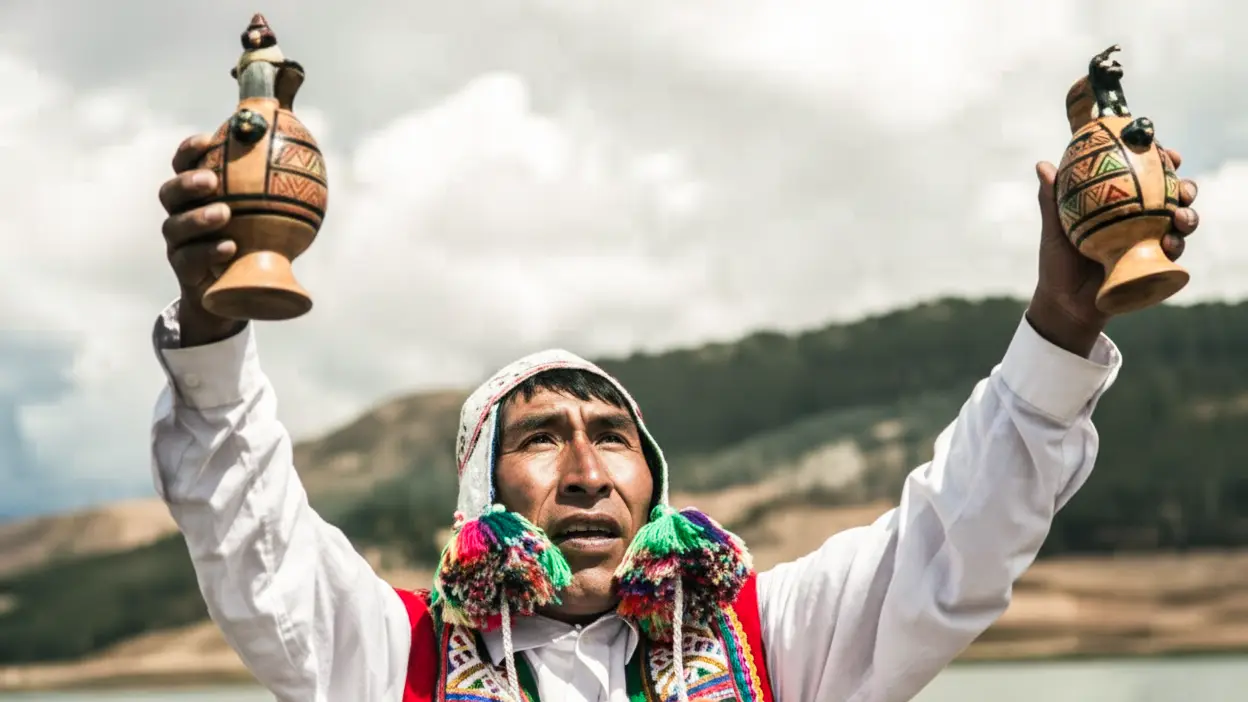
Ancestral Rites: The Payment to Pachamama and Water

Related Posts
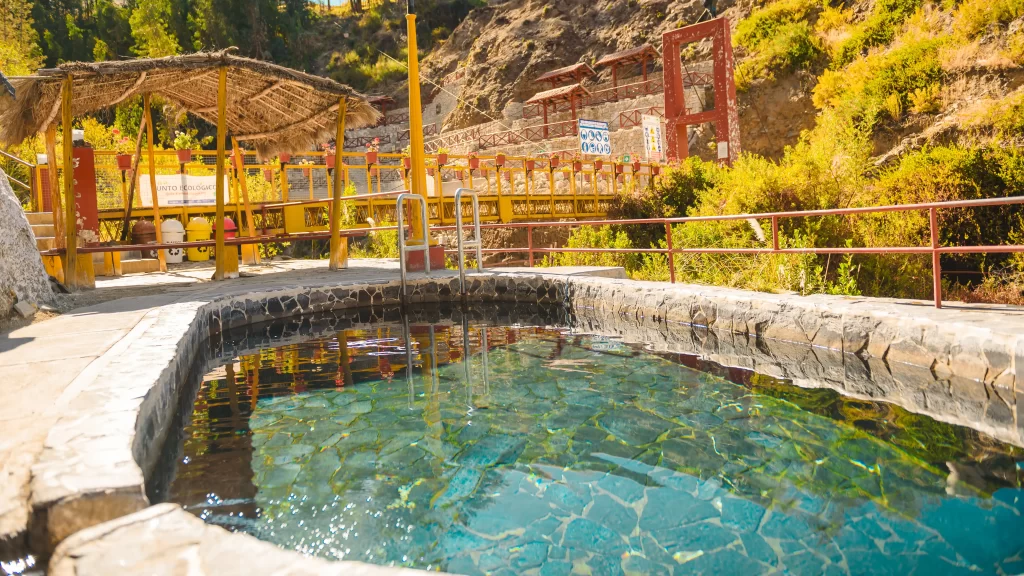
Putina Thermal Baths
The Putina Thermal Baths in Tarata offer rest, health and spiritual connection in an incomparable natural environment.
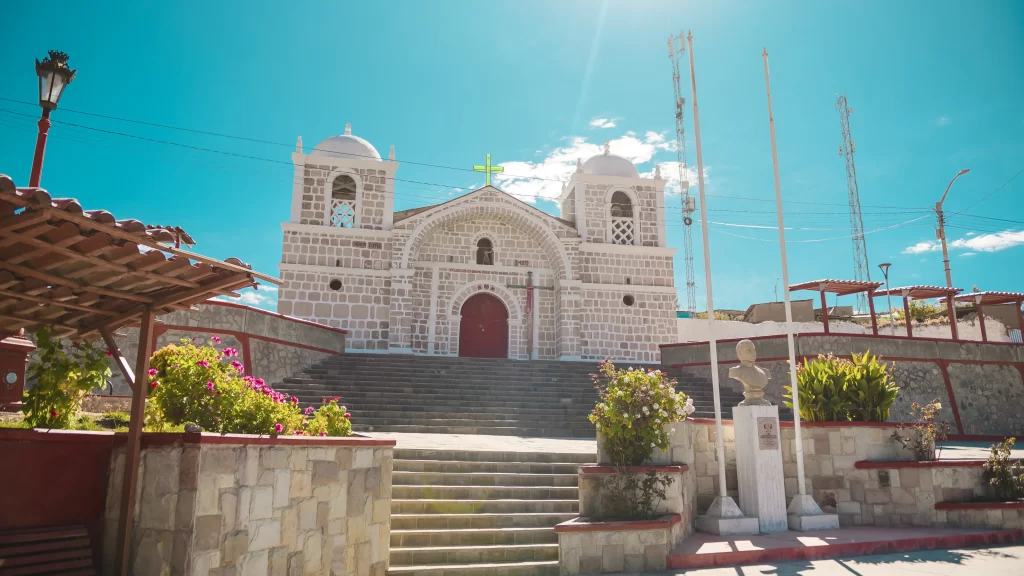
Church of Ticaco
The Church of San Pedro de Ticaco in Tacna combines colonial art, living faith and the beauty of the Andean landscape.

Ticalaco Checkpoint
The Ticalaco checkpoint in Tarata preserves the republican memory of Peru amidst Andean landscapes and historical architecture.
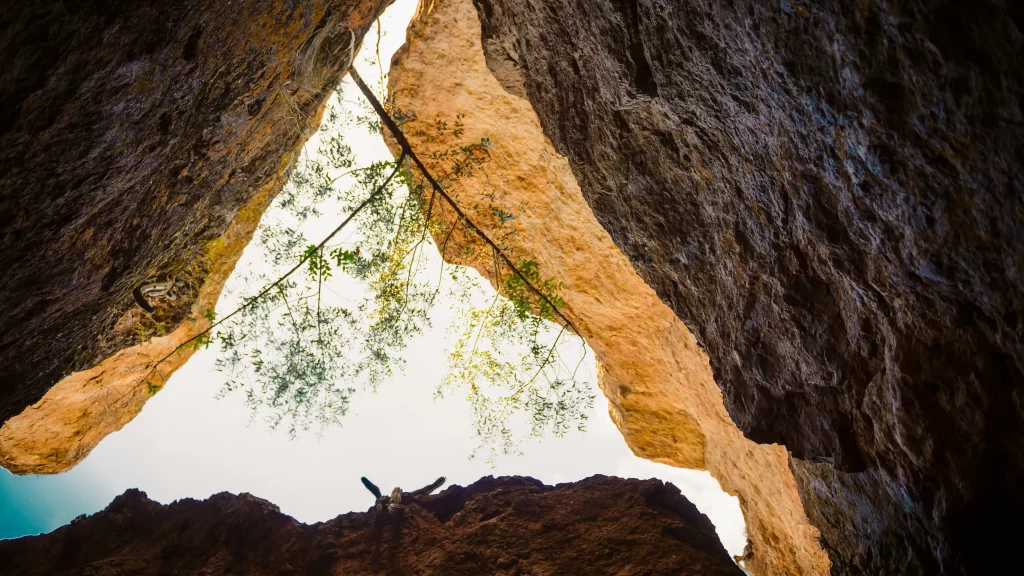
Qala Qala Caves
The Qala Qala Caves in Tarata reveal ancient rock art and the profound spirituality of the Andean world.
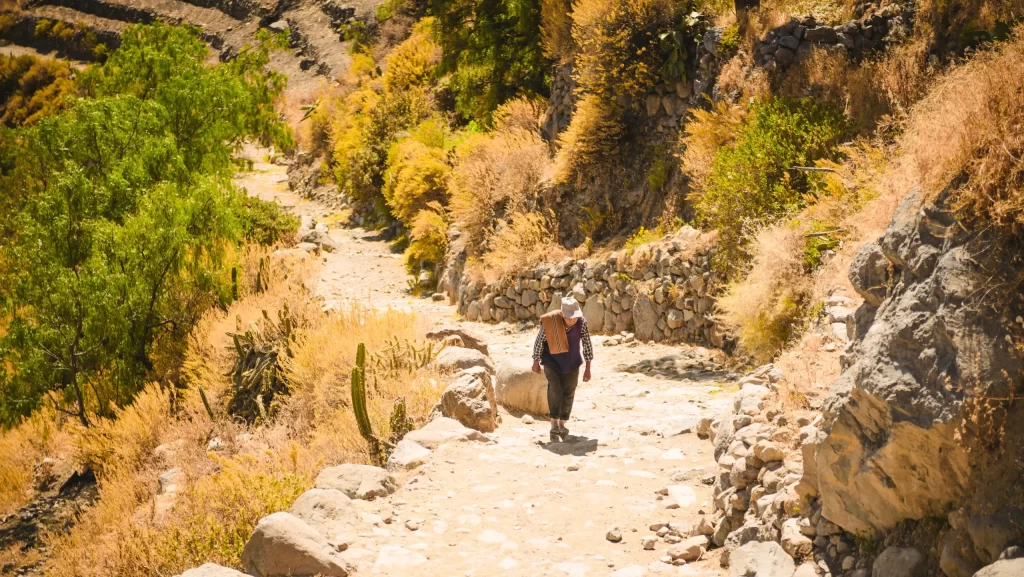
Inca Trail Tarata – Ticaco
The Tarata-Ticaco Inca Trail offers history, nature and cultural connection on an ancestral route in southern Peru.
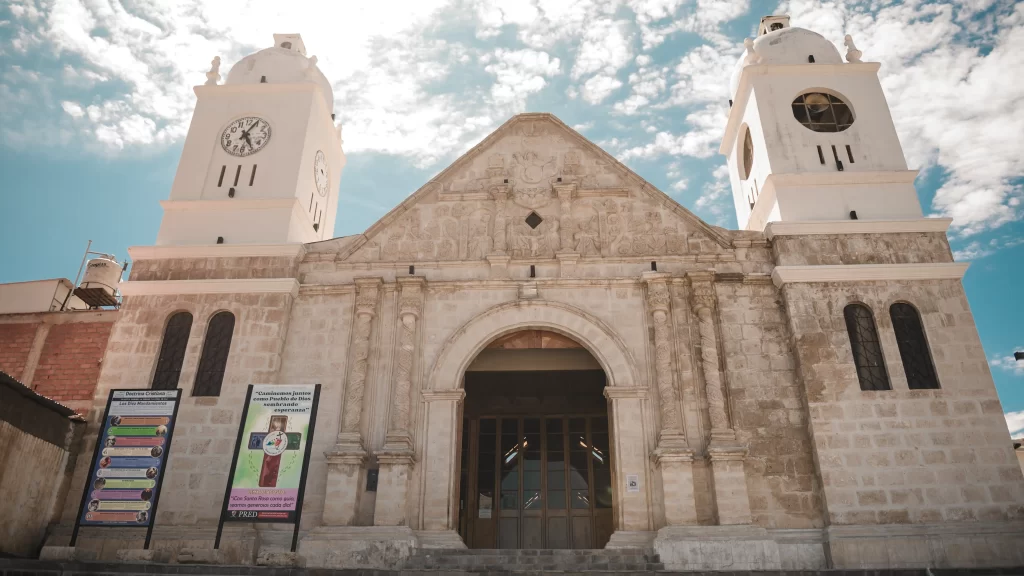
St. Benedict Church of Tarata
The San Benedicto Church of Tarata holds centuries of history, art and faith in the heart of the Andes.

Interpretation Centre
The Tarata Interpretation Centre unites history, culture and technology to understand the Andean identity of southern Peru.
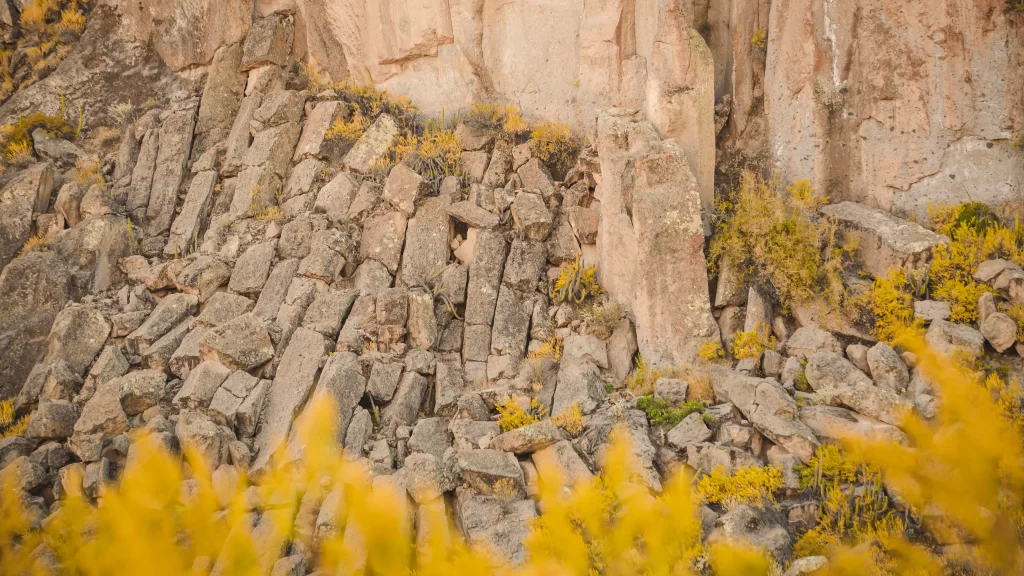
Stone Wedding Lookout
The Stone Marriage Lookout in Tacna combines legend, faith and nature in a truly unique landscape.
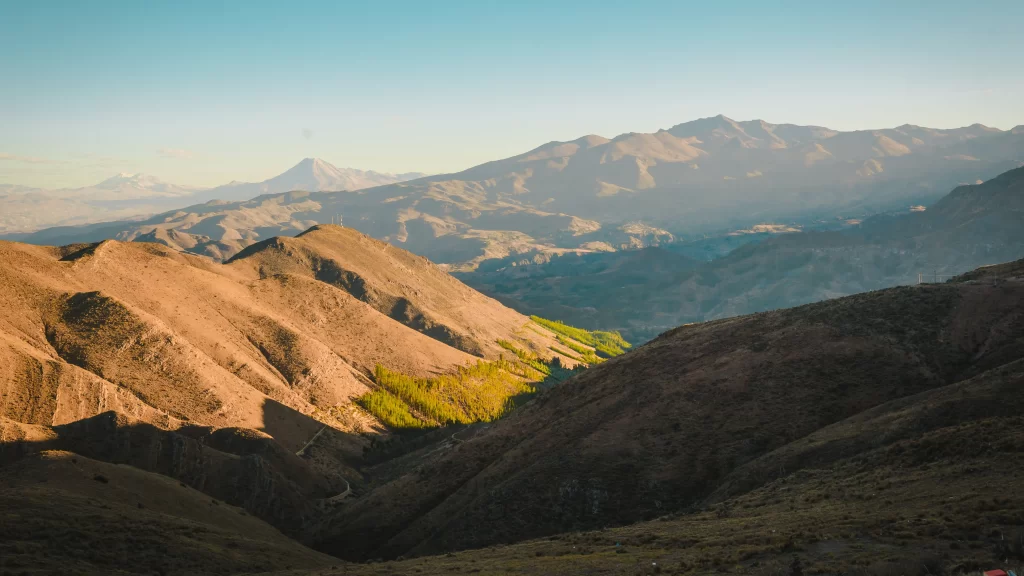
Apacheta Lookout
The La Apacheta viewpoint in Tarta, Tacna, offers breathtaking views, Andean energy, and a connection with nature.
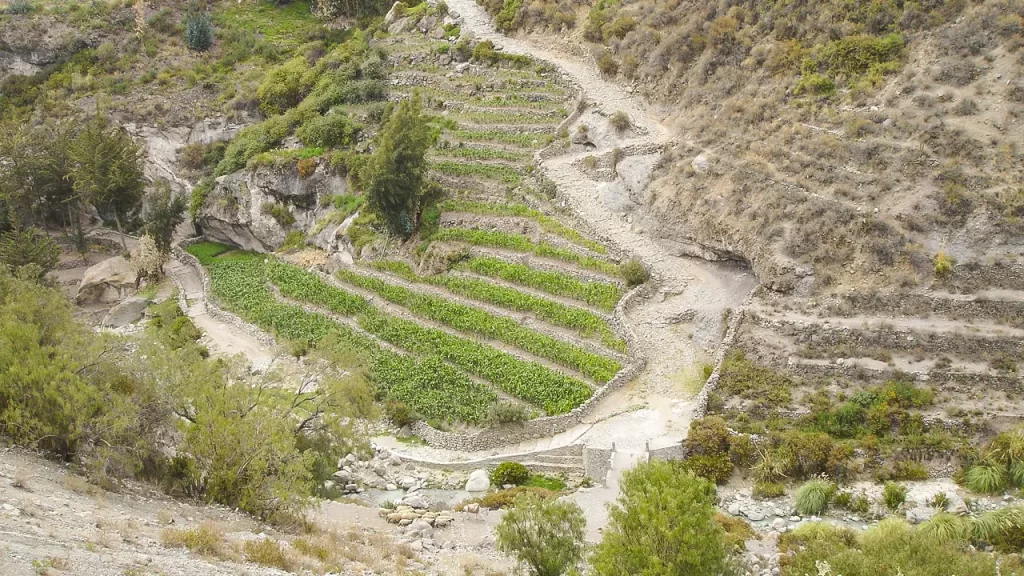
Tarata Pre-Hispanic Era
Pre-Hispanic Tarata was Incchenchura. Its legacy includes the Qhapaq Ñan, the agricultural terraces, and the Qala Qala burial caves.
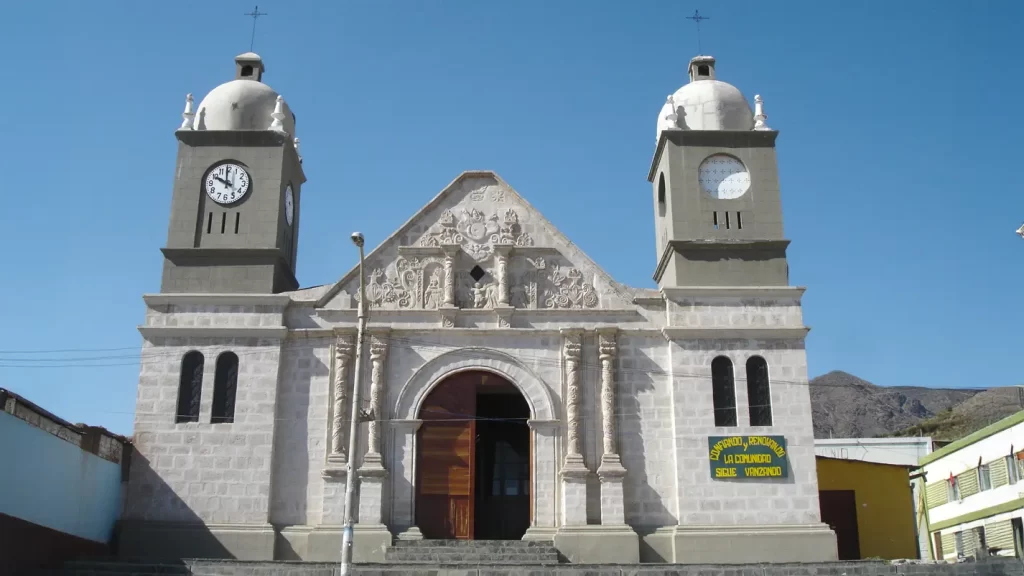
Tarata Colonial Era
Colonial Tarata was marked by the encomiendas, the power of the Ninaja chiefs, and the intense influence of the Church on social life.
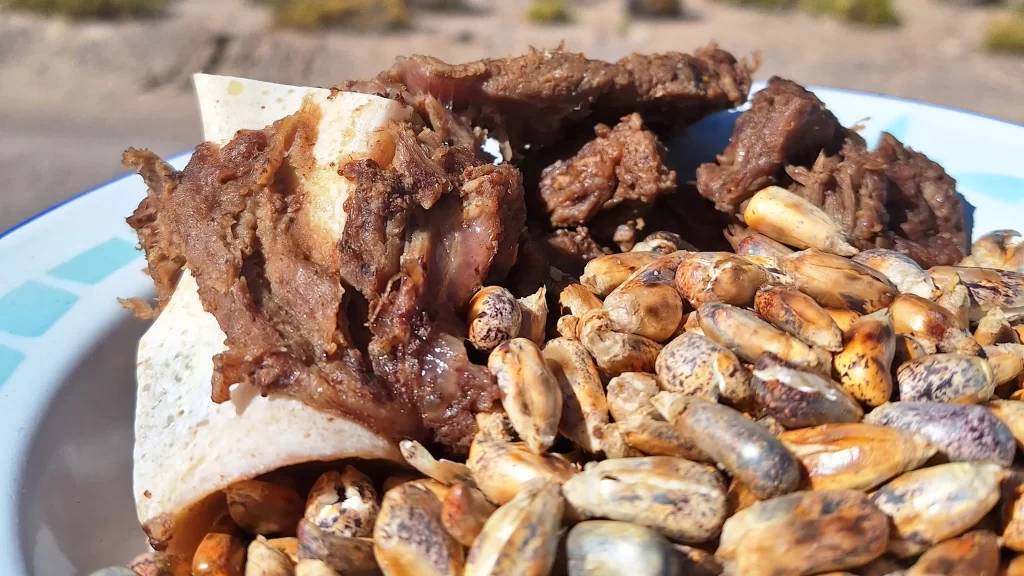
Typical Dishes
Tarata's cuisine is based on agriculture. Its star dishes are alpaca chicharrón, fried trout, and quinoa pesque.