

Tarata
Component 01


Component 01: Construction of Parking Lots at the Apacheta Lookout, Qala Qala Caves, Stone Wedding and Putina - Ticaco Hot Springs
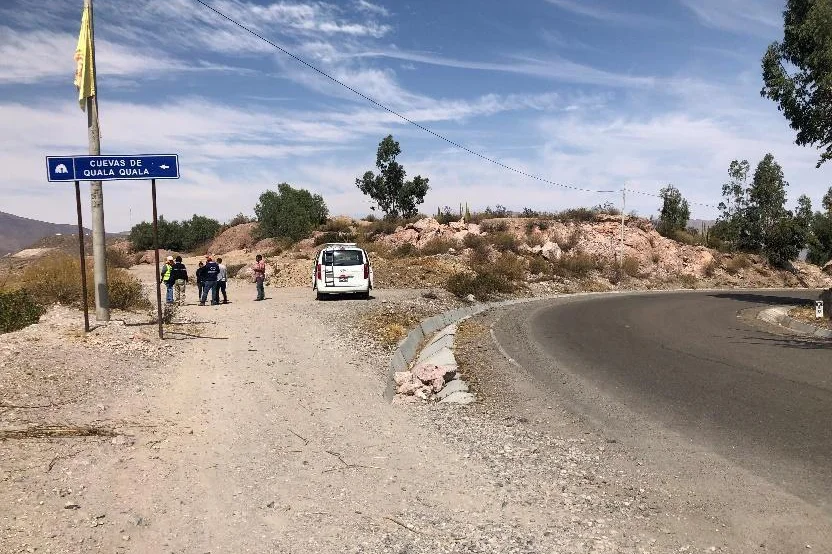
The Action 01: Construction of parking lots at the La Apacheta Lookout, Qala Qala Caves, Stone Wedding and Putina - Ticaco Hot Springs is part of Component 01 of the project “Improvement of tourist services of the Tarata – Inca Trail – Ticaco tourist circuit”, The project's main purpose is to improve road and access infrastructure at key tourist destinations along the circuit. This initiative addresses the need to organize vehicular traffic, provide adequate parking for visitors and tour operators, and ensure the safety and comfort of those arriving at these locations. The construction of these parking facilities aims to enhance the tourist experience, facilitate traffic flow management, and contribute to the sustainable development of tourism in the province of Tarata.
The works included the preparation and leveling of the terrain, the execution of earthmoving works, soil compaction, construction of delimited parking areas, Implementation of road and tourist signage, and the installation of complementary street furniture elements, such as benches, railings, and rest areas. At each intervention point—La Apacheta Lookout, Qala Qala Caves, Stone Wedding, and Putina Hot Springs—specific adaptations were made according to the topographical and environmental conditions, respecting the natural and cultural characteristics of the surroundings. Furthermore, the works were carried out in accordance with the standards of National Building Regulations (RNE), guaranteeing quality, durability and accessibility in the constructed structures.
In the case of La Apacheta Lookout, The construction of a parking area adjacent to the visitor zone was prioritized in order to alleviate traffic congestion on the main road and improve pedestrian flow. Qala Qala Caves, The parking lot improvements were designed to facilitate access to an unevenly sloping terrain, employing leveling and drainage techniques to ensure soil stability. Meanwhile, in the Stone Marriage, A parking area was implemented near the viewpoint, allowing for the safe arrival of vehicles and tourist buses, blending harmoniously with the rocky landscape and its natural surroundings. Finally, in the Putina-Ticaco Hot Springs, A functional parking area for visitors and tourist services was enabled, significantly improving accessibility to the resource and the spatial distribution of visitor flow.
This action not only improves the physical infrastructure of the tourist circuit, but also strengthens tourism and environmental management of the areas where the work has been carried out. The construction of parking areas allows for better organization of visitors, preventing the disorderly occupation of natural areas and protecting the surrounding landscape. It also promotes road safety, reduces the risk of accidents, and optimizes the time spent at the destinations. Overall, the project contributes to strengthening sustainable tourism in the province of Tarata, consolidating the route Tarata – Inca Trail – Ticaco as an accessible, well-organized and attractive destination for regional, national and international tourism.

Conditioning of Rest Areas in the Qala Qala Caves
The Action 02: Conditioning of Rest Areas in the Qala Qala Caves is part of Component 01 of the project “Improvement of tourist services of the Tarata – Inca Trail – Ticaco tourist circuit”, The project's main objective is to improve the visitor experience and the experience of staying at this important natural and cultural attraction. The Qala Qala Caves, considered one of the most emblematic sites on the circuit, required the implementation of suitable spaces that allow for rest, contemplation, and recreation, in harmony with the surrounding landscape and archaeological site. The aim was to optimize the visitor experience, reinforce local identity, and ensure the sustainability of the tourism resource through environmentally friendly infrastructure.
The work carried out included the manual cleaning and leveling of the land, demolition of deteriorated walls, and the Construction of rest areas equipped with benches, stone floors and protective elements, designed to visually integrate into the natural environment of the caves. Consideration was also given to implementation of pedestrian paths, the Placement of informative and preventive signage, and the rustic furniture installation Built using local materials such as wood and stone, in order to maintain the aesthetic coherence of the landscape. These interventions were carried out under strict heritage conservation standards and following the technical specifications of the National Building Regulations (RNE) and from National Institute of Culture, prioritizing the protection of the site's rock art elements.

The improvements to the rest areas not only enhanced the functionality of the space but also allowed for better organization of traffic and visitor areas, reducing the environmental impact and erosion of the terrain caused by uncontrolled visitor traffic. Furthermore, the project improved tourist safety through the installation of railings and appropriate signage in sloping areas. This comprehensive approach transformed the Qala Qala Caves into a more accessible, safe, and comfortable visitor destination without compromising their historical value or authenticity.
Taken together, this initiative contributes to strengthening the Tarata – Inca Trail – Ticaco tourist circuit, promoting sustainable tourism that respects the area's natural and cultural heritage. The new rest areas offer spaces for pause and contemplation that complement the visit to the archaeological site, fostering a connection between visitors and the Andean landscape and the region's ancestral memory. In this way, the Qala Qala Caves are consolidated as a tourist attraction of great scenic and cultural value, capable of offering an enriching and sustainable experience in the long term.
Improvement of facilities within the La Apacheta viewpoint (Chapel and Plaza)
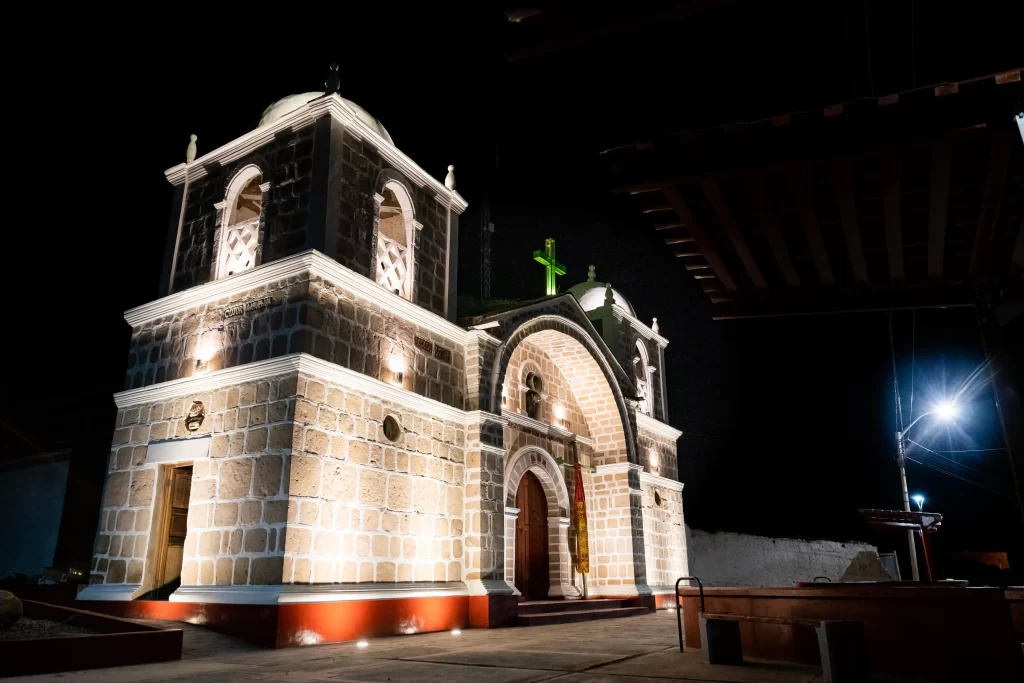
The Action 03: Improvement of Facilities within the La Apacheta Lookout (Chapel and Plaza) corresponds to Component 01 of the project “Improvement of tourist services of the Tarata – Inca Trail – Ticaco tourist circuit”, The project aims to revitalize and improve one of the most iconic spots on the circuit, significant for both its scenic beauty and spiritual importance. The La Apacheta viewpoint is a symbolic landmark along the tourist route, a place where religious traditions, cultural expressions, and stunning panoramic views converge. In this context, the intervention focused on preserving the essence of the site, enhancing its infrastructure, and providing better conditions for the development of tourist, cultural, and religious activities.
The works included the Improvement of the chapel and the adjacent square, through the restoration of walls, floors and structural elements, as well as the installation of urban and ornamental furniture that guarantees the functionality and safety of the space. Work was carried out in the chapel to Roof repair, plastering, painting, and replacement of doors and windows, while in the square they implemented flagstone paving, benches, planters, green areas and decorative lighting which enhance the beauty of the surroundings. In addition, the following was included: improvement of the stormwater drainage system and the adaptation of access points and ramps, with the purpose of ensuring universal accessibility for all visitors.
These actions not only contributed to the preservation of the viewpoint's tangible heritage but also strengthened its role as a space for gathering and contemplation. Integrating the chapel and plaza into a single complex fostered a harmonious environment that blends spirituality, cultural identity, and tourist appeal. Furthermore, the use of local materials and traditional construction techniques respected Andean aesthetics and minimized environmental impact, ensuring the project's sustainability.
Finally, the improvements to the La Apacheta viewpoint enhance the tourism value of the Tarata – Inca Trail – Ticaco circuit by offering a renovated, safe, and culturally significant visitor center. This rehabilitated space has become a benchmark for experiential and religious tourism, promoting longer stays, strengthening local identity, and fostering sustainable economic development for communities linked to the tourism sector in the province of Tarata.
Construction of Rest Areas at the Putina Thermal Baths
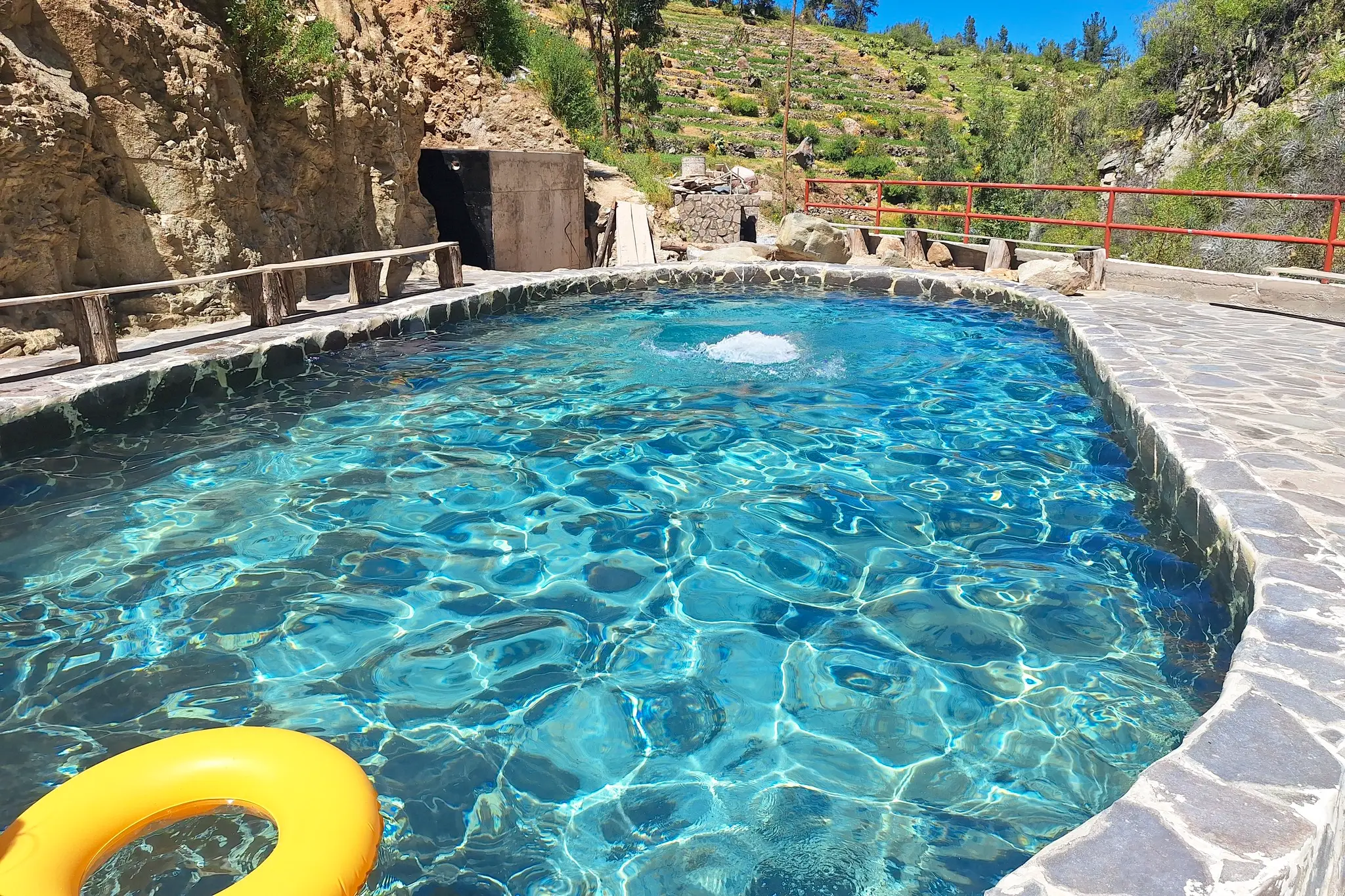
The Action 04: Construction of Rest Areas in the Putina Thermal Baths is part of Component 01 of the project “Improvement of tourist services of the Tarata – Inca Trail – Ticaco tourist circuit”, The project aims to provide this important natural attraction with suitable spaces for rest, recreation, and contemplation for visitors. The Putina Hot Springs are one of the most popular stops on the tourist route, renowned for their medicinal waters and Andean landscape. In this context, the construction of rest areas addresses the need to improve tourist infrastructure, providing comfort and safety without disrupting the natural harmony of the site.

The works included the implementation of covered and open-air rest areas, with treated wood benches, shade structures, planters and green areas, designed according to landscape integration criteria. local materials such as stone and wood to ensure aesthetic coherence with the natural environment, in addition to pedestrian access paths, solar lighting and tourist signage, These infrastructures allow for orderly and safe circulation. They were strategically distributed at high-traffic points, prioritizing the comfort of visitors before and after using the thermal baths.

Similarly, the following was carried out soil leveling, compaction and improvement work, as well as the installation of drainage and runoff control systems to prevent damage from humidity or erosion. They were also incorporated interpretive and guiding elements, The purpose of these areas is to guide visitors and highlight the natural and cultural value of the surroundings. The rest areas were designed as spaces for active breaks, fostering social interaction, contemplation of the landscape, and a sustainable tourism experience.
With this project, the Putina Hot Springs consolidate their position as a comprehensive tourist destination within the Tarata – Inca Trail – Ticaco circuit. The improved infrastructure strengthens service quality, increases visitor satisfaction, and promotes responsible tourism management that integrates well-being, environmental conservation, and local economic development. In this way, the new rest areas become an example of sustainable tourism infrastructure that respects the natural environment and aligns with the objectives of enhancing the tourism heritage of the province of Tarata.
Conditioning of Spaces for Visits to the Ticalaco Detention Center
The Action 05: Conditioning of Spaces for the Visit to the Ticalaco Detention Center is part of Component 01 of the project “Improvement of tourist services of the Tarata – Inca Trail – Ticaco tourist circuit”, and its main objective is to highlight the Ticalaco Detention Center as a strategic point and of historical interest within the tourist circuit. This site, located in a transition zone between the districts of Ticaco and Tarata, stands out for its heritage value linked to ancient trade routes and territorial control. The intervention aims to provide the site with suitable conditions for visitors, ensuring comfort, safety, and a proper appreciation of the cultural and natural environment.
The work carried out included the conditioning of access paths and rest areas, the Installation of interpretive and informative signage, and the construction of small rest and observation spaces which allow visitors to explore the site with a better visual and educational experience. Additionally, the following were implemented Cleaning work, leveling of the land, installation of benches, railings and shade points, Using local materials such as stone and wood to maintain coherence with the Andean landscape, the design considered the preservation of the natural terrain and the visibility of the surroundings, avoiding alterations that could affect its heritage value.
In addition, the following were implemented perimeter protection and delimitation elements With the purpose of safeguarding existing historical structures and regulating visitor traffic, barriers were placed interpretive information panels which explain the function and relevance of the checkpoint in local history, thus strengthening the educational dimension of the attraction. The intervention also included improved accessibility and landscape integration, so that visitors can move around smoothly and safely, enjoying a tourist experience that is in harmony with the nature and culture of the place.
With this upgrade, the Ticalaco outpost is now fully integrated into the Tarata – Inca Trail – Ticaco tourist circuit, adding value to the route both for its historical significance and its interpretive function. The improved visitor areas contribute to the diversification of attractions, strengthen local identity, and promote sustainable and educational tourism in the province of Tarata, allowing visitors to understand and appreciate the area's rich heritage and culture.
Construction of a viewpoint in front of the Stone Wedding Tourist Attraction.
The Action 06: Construction of a Lookout Point in Front of the Stone Wedding Tourist Resource It falls within the Component 01 of the project “Improvement of tourist services of the Tarata – Inca Trail – Ticaco tourist circuit”, with the purpose of To enhance the visitor experience by creating a scenic and safe space that allows for the full appreciation of the natural beauty and symbolic value of the resource. The Stone Marriage is a geological formation of great tourist appeal and cultural relevance for the local population, representing a natural icon associated with legends and traditions of the area.
The intervention consisted of the construction of a panoramic viewpoint strategically located opposite the resource, Designed with criteria of landscape integration, safety, and sustainability. The following were implemented: Leveling work, foundation work, installation of retaining walls, metal railings and non-slip flooring, Using local materials such as stone and polished concrete to maintain harmony with the natural environment. In addition, rest benches, interpretive signage and ornamental elements that complement the visitor experience, offering a privileged view of the rock formation and its surroundings.
The design of the viewpoint prioritized the accessibility and visitor safety, Defined observation and pedestrian zones were established, as well as rest areas that allow for prolonged contemplation of the landscape. Measures were implemented to protect against soil erosion and ensure proper stormwater management, guaranteeing the structural stability and environmental conservation of the area. The installation of Informative signs about the geology, cultural significance, and legends of the Stone Marriage, strengthening its educational and cultural dimension.
With this work, the Stone Marriage It has become one of the iconic points of the Tarata – Inca Trail – Ticaco circuit, creating an attractive and functional space that invites contemplation, photography, and learning. The new viewpoint not only improves the area's tourist infrastructure but also It promotes organized, sustainable tourism that respects the natural environment., contributing to economic development and the strengthening of local identity in the province of Tarata.
Improvement of viewpoints on the Inca Trail
The Action 07: Improvement of Viewpoints on the Inca Trail is part of Component 01 of the project “Improvement of tourist services of the Tarata – Inca Trail – Ticaco tourist circuit”, oriented to to highlight the strategic observation points located along the ancestral route of the Inca Trail, This project aims to strengthen the tourism infrastructure by restoring, adapting, and beautifying existing viewpoints, ensuring a more comfortable, safe, and enriching experience for visitors. The area boasts a rich cultural and natural heritage of great importance to the region.
The works included the structural and landscape rehabilitation of the viewpoints, including the leveling and compaction of the land, construction of retaining walls, installation of metal railings, benches and rest areas, as well as the implementation of informative and interpretive signage which guides and educates visitors about the history, geography, and cultural values of the Inca Trail. The use of local materials such as stone, wood and polished concrete, seeking to preserve the rustic aesthetic and visual integration with the natural environment.
Additionally, the following were implemented safety and accessibility features, Features such as non-slip flooring, clearly marked observation areas, and well-signposted pedestrian paths ensure orderly traffic and visitor safety. The viewpoints were designed to offer panoramic views of the Andean landscape, allowing visitors to appreciate the scale of the Inca Trail and its relationship with the surrounding ecosystems and communities.
With the implementation of this action, the viewpoints along the Inca Trail are consolidated as emblematic spaces within the Tarata – Inca Trail – Ticaco tourist circuit, This significantly contributes to diversifying the tourism offerings and promoting the sustainable development of the province. This improvement not only enhances the visual and cultural appeal of the route, but also It promotes heritage conservation and encourages responsible tourism, strengthening local identity and pride in the historical legacy of the Inca Trail.
Installation of orienting and interpretive signs along the tourist route
The Action 08: Installation of Orientation and Interpretation Signs on the Tourist Route is part of Component 01 of the project “Improvement of tourist services of the Tarata – Inca Trail – Ticaco tourist circuit”, and its purpose is Improve the orientation, safety, and educational experience of visitors throughout the entire tourist circuit. This intervention responds to the need to provide the route with a comprehensive signage system that facilitates movement, provides cultural and natural information, and reinforces the visual identity of the tourist destination.
The work included the manufacturing and installation of directional, informative and interpretive signage, The signage was constructed with durable materials resistant to the area's weather conditions, such as galvanized metal, treated wood, and anti-corrosive paint. Directional signs were placed at main entrances, junctions, and strategic points along the route, while interpretive signs were positioned at sites of historical, archaeological, and scenic interest, providing information on the local flora, fauna, geology, and cultural heritage. Welcome signs, location maps, and rules for responsible tourist behavior, all under accessibility and inclusive design criteria.
The installation was carried out according to the project's plans and technical specifications, ensuring the aesthetic integration of the signs with the natural environment and adequate visibility for visitors. Furthermore, measures were implemented to safety and environmental sustainability, avoiding alteration of the landscape and minimizing the visual impact on protected areas. These actions were supervised to ensure the correct placement, structural stability, and communicative clarity of each installed element.
With the implementation of this action, the Tarata – Inca Trail – Ticaco tourist circuit It strengthens its identity and functionality as an organized and sustainable tourist destination., facilitating the interpretation of the heritage and the safe movement of visitors. The new signs not only beautify and modernize the route, but also They promote learning, environmental awareness, and cultural appreciation., contributing to consolidating Tarata's image as a benchmark for heritage and nature tourism in the Tacna region.